Choosing a reliable Crimp Hose Clamps supplier in China takes more than comparing prices or browsing a polished catalog. Buyers need to know whether a manufacturer can match clamp dimensions to the hose, maintain consistent crimping, and supply clear product information. Small details matter. A sample that looks neat may still perform differently when fitted to a real hose assembly.
This guide explores how to assess suppliers using practical, verifiable factors. These include material options, size range, production capacity, quality checks, sample availability, and communication during technical discussions. Ask for evidence. Product drawings, inspection records, and traceable specifications can help buyers compare offers more confidently. Fit comes first. A clamp designed for one hose diameter or operating condition may not suit another, so confirm application requirements before ordering. Supplier rankings can also vary with product needs, order volume, and service expectations; no single list will answer every buyer’s question. That limitation is worth acknowledging. The following overview is intended to help readers identify manufacturers worth evaluating, not to treat a company’s claims as proof of performance. By asking focused questions and checking samples against actual requirements, buyers can make a more informed shortlist.
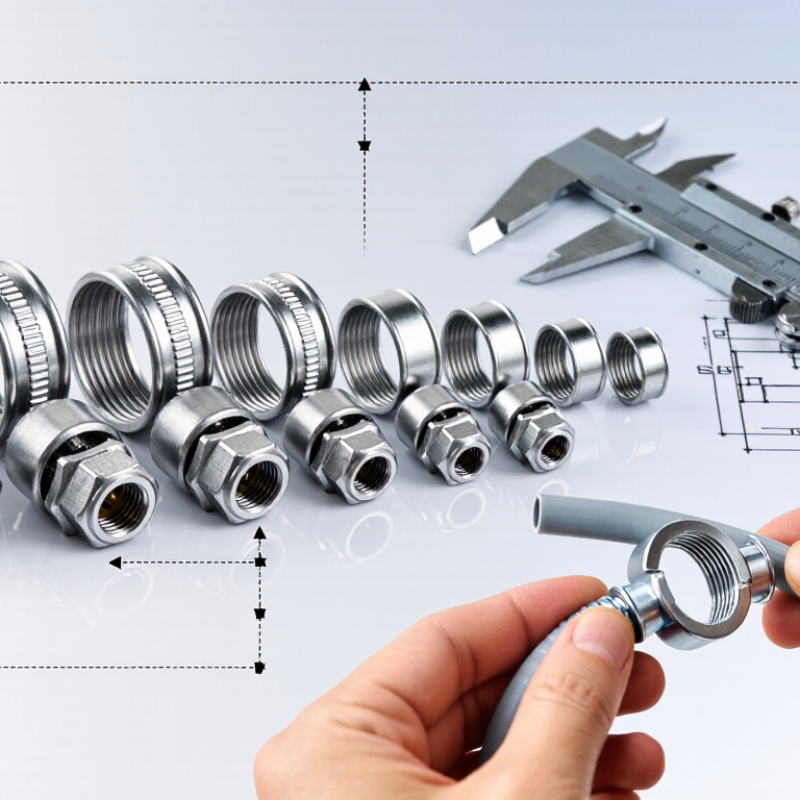
What Crimp Hose Clamps Are and How They Work
Who Are the Top Crimp Hose Clamps Suppliers in China?
What Crimp Hose Clamps Are and How They Work
A crimp hose clamp is a metal sleeve fitted around a hose where it connects to a pipe or fitting. A dedicated crimping tool compresses the sleeve radially, creating a firm grip around the hose. This pressure helps resist leaks and hose movement during use. The clamp is usually intended as a permanent connection, not something adjusted by hand later. That matters.
The result depends on more than squeezing the metal. The clamp diameter must match the hose and fitting, and the hose must suit the intended pressure, temperature, and fluid. A sleeve that is too loose may not seal; one that is over-crimped can damage the hose beneath it. Material choice matters too, especially in damp or corrosive surroundings. A neat-looking crimp is not proof of a reliable connection, so follow the component and tool maker’s specifications.
Tips: Check the hose and fitting dimensions before crimping. Use the correct dies, position the sleeve evenly, and inspect the finished connection for distortion or hose damage. If the measurement feels uncertain, pause and verify it.
How Crimp Hose Clamps Are Made and Used
A crimp hose clamp starts as a narrow strip of stainless or coated steel. Manufacturers cut the strip, form its band and locking features, then finish sharp edges. A calibrated press shapes the clamp around a hose and fitting, creating a fixed connection. Small parts matter. Operators check dimensions, crimp shape, and pull resistance; a clean-looking crimp alone does not confirm performance. Material selection also matters. The World Stainless Association’s Stainless Steel in Figures 2024 reports 58.4 million tonnes of global stainless-steel production in 2023. That figure describes material production, not clamp demand, but it helps explain stainless steel’s broad industrial availability.
In use, the clamp is positioned over a hose seated on a fitting, then compressed with the specified tooling. The crimp must hold the hose without cutting it or distorting the fitting. SAE J1508 sets performance and test requirements for automotive hose clamps, offering a useful reference for design and verification. Actual requirements depend on hose material, temperature, vibration, and fluid exposure. Installers should match clamp size to the assembled hose and fitting, not rely on appearance. Recheck the setup. A clamp that suits one hose may not suit another, even when both look similar.
China’s Crimp Hose Clamp Supplier Landscape
China’s crimp hose clamp supplier landscape is shaped by automotive, machinery, and fluid-transfer demand. The China Association of Automobile Manufacturers reported 31.28 million vehicles produced in 2024. That figure signals a large downstream manufacturing base, not a direct measure of clamp demand. Suppliers range from specialist clamp makers to broader metal-forming factories. Their capabilities may differ in band forming, screw production, heat treatment, and final assembly.
For buyers, compare measurable process controls, not catalogue claims alone. Ask for band-thickness tolerances, material certificates, corrosion-test conditions, and production-lot traceability. Check whether samples maintain clamping force after repeated tightening. A polished sample is not enough. The landscape is not perfectly transparent; public supplier data can be uneven, and this deserves caution. Third-party audits and documented inspection records can help verify capability.
Tips: Request test results for the exact material and finish you plan to order. Confirm packaging, minimum order quantities, and lead times in writing. Small details matter. A low unit price may not reflect sorting, transport, or rework costs.
How to Assess Leading Chinese Suppliers
Assessing leading Chinese crimp hose clamp suppliers starts with the application, not the catalog. Share the hose material, operating pressure, temperature range, and required clamp dimensions. A capable supplier should explain how its design fits those conditions and identify any limits. Ask for material specifications and inspection records, then compare them with the parts you receive. Details matter.
Request samples from a normal production run, not only specially prepared pieces. Check band edges, locking features, surface finish, and dimensional consistency with suitable measuring tools. Ask how the supplier controls crimp force and monitors defects between production batches. Clear answers matter more than broad promises. A polished catalog can still leave practical questions unanswered, so verify claims with documents and sample checks. Communication is another useful measure: note whether technical questions receive specific, timely replies. This can be imperfect evidence; a strong sales response does not guarantee steady production quality. Before placing a larger order, agree on drawings, tolerances, packaging, and inspection criteria in writing. Ask for a traceable batch reference, too.
Comparing Suppliers by Quality, Capacity, and Service
China’s crimp hose clamp suppliers are best compared through production evidence, not catalog claims. For quality, request material specifications, coating details, dimensional tolerances, and inspection records linked to actual batches. Check sample clamps for smooth band edges, secure screw engagement, and consistent tightening on your hose size. A good sample helps, but it cannot guarantee every shipment will match.
Capacity means more than a monthly output figure. Ask how suppliers schedule tooling, handle peak orders, and control changes between production runs. A pilot order can reveal packaging quality, lead-time accuracy, and whether documents arrive with the goods. Service matters when dimensions change or a shipment needs investigation. Look for clear response times, accessible technical contacts, and corrective-action reports with dates and measurable findings. No scorecard catches everything; a careful review can still miss a shop-floor problem.
Tips: Send each supplier the same drawing and forecast. Compare written answers, sample measurements, and delivery records side by side. Keep one detail in mind: your actual hose and fitting combination may behave differently from a sample test.
Who Are the Top Crimp Hose Clamps Suppliers in China?
A practical comparison framework based on quality, capacity, and service
The chart shows suggested sourcing evaluation weights, not verified ratings of individual suppliers. Assess quality through material traceability and inspection records, capacity through output and lead-time evidence, and service through communication and after-sales support.
FAQS
It is a metal sleeve placed around a hose connection. A crimping tool compresses it evenly to help hold the hose against a fitting.
Usually not. It is intended as a permanent connection, so check the fit before crimping.
Confirm the hose and fitting dimensions, then check pressure, temperature, and fluid requirements. Small measurement errors matter.
A loose sleeve may leak or let the hose move. Too much compression can damage the hose underneath. Not a minor detail.
Look for uneven compression, distortion, or visible hose damage. A neat appearance alone does not prove the connection is reliable.
Request material specifications, inspection records, drawings, and tolerances. Ask how crimp force and production defects are monitored.
Request samples from a normal production run. Check band edges, locking features, surface finish, and dimensions with suitable measuring tools.
Put drawings, tolerances, packaging, inspection criteria, and batch traceability in writing. A helpful sales reply is useful, but imperfect evidence of production consistency.
Conclusion
Crimp Hose Clamps create a secure connection by compressing a clamp around a hose and fitting, helping reduce leaks and maintain reliable performance. Their design, materials, and crimping method influence how well they handle pressure, vibration, temperature changes, and repeated use. They are commonly used in fluid and air systems where a compact, dependable hose connection is needed.
China’s supplier landscape includes manufacturers with different levels of production capacity, quality control, customization, and customer support. When assessing suppliers, buyers can compare material specifications, manufacturing processes, inspection practices, product consistency, lead times, and communication. A careful comparison should consider both technical requirements and service needs, rather than focusing on price alone. The most suitable supplier is one that can demonstrate dependable quality, meet order volumes and delivery expectations, and provide clear support throughout the purchasing process.

 Mika Clamp