Choosing China’s best Large Hose Clamps requires more than comparing prices or counting bolt sizes. A reliable clamp must match the hose material, outside diameter, operating pressure, temperature, and installation environment. Stainless steel may suit coastal equipment, while galvanized steel can offer practical protection in less aggressive conditions. Small details matter. A sharp band edge can damage soft rubber. Uneven tightening can create a leak beneath the clamp.
Michael J. Anderson, an industrial hose applications engineer, explains, “A clamp is only as reliable as the joint it protects.” This principle keeps the buying decision focused. Inspect the band thickness, bridge design, screw quality, welding points, and adjustment range. Ask Chinese suppliers for material certificates, dimensional drawings, torque guidance, and batch inspection records. Factory photographs help, but they do not replace testing.
The strongest supplier is not always the cheapest one. It should understand your application and answer technical questions clearly. Request samples before placing a large order. Test them on the actual hose, not only on a workbench. Check for slippage, edge cutting, corrosion, and thread failure after tightening. Even experienced buyers miss one factor: real installation conditions.
A good selection also considers production consistency. One clamp may look excellent, while the next batch performs differently. Confirm quality controls, packaging methods, traceability, and replacement support. This guide explains how to compare China’s Large Hose Clamps with greater confidence, fewer assumptions, and a more practical understanding of long-term performance. Mistakes can still happen. Careful verification makes them less expensive.
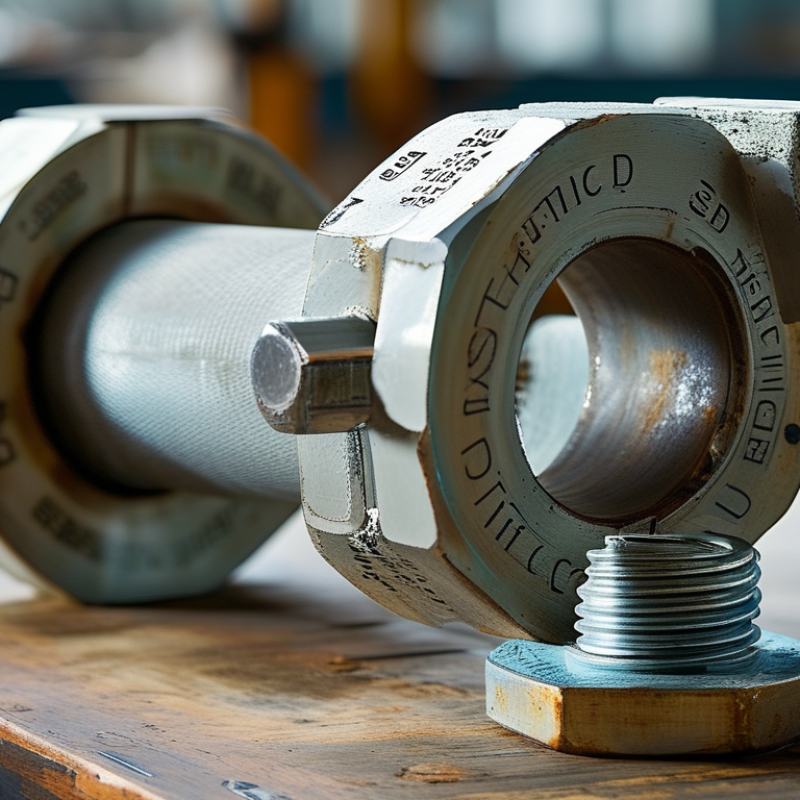
Large hose clamps are selected by hose diameter, pressure, temperature, and installation space. In field maintenance, measuring the hose outside diameter matters more than trusting its label. A clamp that looks suitable may bottom out before sealing. Leave adjustment room for heat expansion and material movement.
Worm-drive clamps suit general water, air, and low-pressure utility lines. They allow simple adjustment with a screwdriver. T-bolt clamps provide stronger, more even compression for heavy-duty hoses, engines, pumps, and industrial ducting. Constant-tension clamps help manage temperature changes, especially when rubber softens or contracts. For oversized hoses, bridge-style designs can reduce local stress and prevent cutting.
Material choice affects service life. Stainless steel resists moisture and many outdoor conditions, while galvanized steel can fit controlled, lower-corrosion environments. Check band thickness, screw strength, edge smoothness, and weld quality. Sharp edges can damage a hose during vibration. They should not be ignored.
When evaluating a Chinese supplier, request dimensional records, material certificates, torque-test results, and sample units from current production. Salt-spray data can help, but it does not replace real application testing. I once accepted a clean-looking sample that loosened under repeated vibration. The finish was convincing. The joint design was not. Confirm minimum and maximum diameters, tightening limits, packaging protection, and batch traceability before placing a large order.
How to Choose China Best Large Hose Clamps?
When selecting large hose clamps from China, inspect the material before comparing prices. Stainless steel offers strong corrosion resistance and suits humid or outdoor applications. Galvanized steel may reduce costs, but its protective coating can wear during installation. Check the band, housing, and screw separately. They should feel solid, with clean edges and consistent finishing. A small burr can damage a soft hose.
Size range matters more than a single advertised diameter. Measure the hose’s outside diameter after fitting it over the pipe. Then choose a clamp with enough adjustment for thermal movement and small installation errors. Oversized clamps may not tighten evenly. Undersized clamps can cut the hose. Clamping performance depends on band width, screw strength, housing design, and torque control. In sample testing, inspect for leaks, slipping, and uneven compression. One test is not enough. Real conditions can expose weaknesses.
Tips: Request material certificates, dimensional drawings, and batch samples before placing a large order. Test clamps on the actual hose, not only on a metal tube. Tighten them with a torque tool when possible. Check whether the screw turns smoothly under load. Also review packaging, because bent bands can fail before installation. I once underestimated storage humidity; the samples looked fine, but their fasteners changed after several weeks. Supplier claims need verification.
| Material Quality | Typical Material Composition | Common Size Range | Typical Band Thickness | Corrosion Resistance | Typical Tightening Torque | Clamping Performance | Recommended Applications | Key Inspection Points |
|---|---|---|---|---|---|---|---|---|
| 304 Stainless Steel | Band, housing, and screw made from corrosion-resistant austenitic stainless steel | 40–165 mm; larger sizes are available in multiple-piece or extended-band designs | Approximately 0.6–0.8 mm | Good | Usually 4–7 N·m, depending on clamp construction and screw size | Provides stable radial compression for general-purpose rubber, silicone, and reinforced hoses | Water lines, air ducts, automotive systems, irrigation, and general industrial service | Check for uniform band edges, clean forming, full thread engagement, and resistance to visible cracking or deformation |
| 316 Stainless Steel | Stainless steel containing molybdenum for improved resistance to chlorides and marine exposure | 40–165 mm; larger diameters can be produced with extended bands or bridge sections | Approximately 0.6–0.8 mm | Very good | Usually 4–7 N·m, subject to the clamp design and manufacturer’s specification | Maintains reliable clamping where moisture, salt spray, or chemical exposure could accelerate corrosion | Marine equipment, coastal installations, chemical-processing support systems, and outdoor plumbing | Verify that the band, screw, housing, and welds are all corrosion-resistant; avoid mixed metals that may promote galvanic corrosion |
| Galvanized Carbon Steel | Carbon-steel band and housing with a zinc protective coating | 50–250 mm in heavy-duty worm-drive and T-bolt configurations | Approximately 0.8–1.2 mm | Moderate | Approximately 5–10 N·m for heavy-duty designs, subject to the product specification | High mechanical strength and good load retention in dry or mildly corrosive environments | Industrial air systems, agricultural machinery, exhaust ducts, and non-marine equipment | Inspect zinc coverage, coating damage, thread quality, bolt straightness, and signs of red rust after handling |
| Heavy-Duty T-Bolt Stainless Steel | Thick stainless-steel band with a T-bolt, locknut, and often a welded or reinforced bridge | 50–500 mm; multiple clamps may be used for very large hose diameters | Approximately 0.8–1.5 mm | Good to very good | Commonly 8–15 N·m, but the specified torque must be followed for the selected design | High mechanical load capacity and more even circumferential sealing than standard narrow-band clamps | Large-diameter coolant hoses, charge-air hoses, agricultural equipment, and heavy machinery | Check bridge strength, bolt diameter, nut locking method, band flatness, and whether the clamp fits without bottoming out |
| Perforated Worm-Drive Clamp | Slotted band with a worm gear and screw housing | Typically 12–300 mm, depending on band length and housing design | Approximately 0.6–0.8 mm | Depends on the steel grade and coating | Usually 2–5 N·m for standard designs | Easy to install and adjust, but perforations can create localized hose stress when over-tightened | General plumbing, low-to-medium pressure air service, and maintenance applications | Confirm that the screw engages the band smoothly, the perforations are clean, and the band does not cut into the hose surface |
| Non-Perforated Worm-Drive Clamp | Smooth inner band with external worm-drive mechanism | 40–250 mm, with extended-band versions for larger hoses | Approximately 0.6–0.8 mm | Good when stainless steel is used | Usually 3–6 N·m, depending on screw and housing dimensions | Smoother load distribution and lower risk of hose indentation compared with perforated bands | Silicone hoses, soft rubber hoses, automotive connections, and applications requiring surface protection | Inspect the inner band for a smooth continuous surface and ensure the clamp does not bind before reaching the required diameter |
| Spring-Band Clamp | Heat-treated spring steel or stainless spring steel formed into a constant-tension band | Commonly 15–150 mm; size selection must match the hose’s installed outside diameter | Approximately 0.8–1.5 mm | Moderate to very good, depending on material | Not normally specified as a tightening-torque product; installation uses spring compression | Maintains tension during thermal expansion and contraction but provides less adjustment than screw clamps | Cooling systems, heating systems, and hoses exposed to repeated temperature changes | Check spring recovery, uniform opening, correct installed diameter, and freedom from permanent distortion or corrosion |
Selection note: Size the clamp from the hose’s actual outside diameter after it is fitted over the connection. Tightening torque values are typical working ranges, not universal limits; always follow the specification for the selected clamp design, hose material, and application pressure.
Choosing the best large hose clamp from China requires more than comparing prices. I look for manufacturers with documented production experience and clear quality records. Their certificates should match the actual factory, product range, and current validity period. ISO 9001 supports process control, but it does not guarantee every clamp performs well. Ask for material certificates, inspection reports, and traceability from steel coil to finished batch. This step often reveals gaps.
Production standards deserve close attention. Check band thickness, screw strength, weld consistency, and thread accuracy. For demanding applications, request torque testing, pull-off testing, and salt-spray results. Stainless steel grades should be confirmed through supplier documents or independent testing. A reliable factory can explain its sampling plan and calibration schedule without avoiding technical questions. I once treated a polished surface as proof of quality. That was a mistake. Appearance can hide weak welds or uneven forming.
Tips: Request samples from different batches, not only one perfect unit. Compare dimensions with your hose and fitting under real tightening conditions. Review audit photos, but do not rely on photos alone. A factory visit or third-party inspection adds useful evidence. Also ask how rejected clamps are separated and recorded. Small process details matter. If answers remain vague, pause the order and request measurable proof.
How to Choose China Best Large Hose Clamps?
Customization should begin with the hose, not the supplier’s catalog. Measure the outside diameter after installation, including insulation or protective sleeves. A 2024 industrial hose market report from Grand View Research identifies chemical, construction, and automotive use as major demand areas. These applications need different clamp materials and load performance. For wet environments, 304 stainless steel may work; salt exposure can justify 316 stainless steel. Ask for band thickness, screw torque, working range, and corrosion-test results. A useful drawing should show diameter range, band width, screw head, and surface finish. Small details matter.
Pricing often changes with steel grade, tooling, packaging, and inspection depth. Request separate prices for samples, tooling, and mass production. China suppliers may quote aggressively at 1,000 pieces, while your project may need only 150. That gap can erase the apparent saving. The 2023 Global Procurement and Supply Outlook reported continued pressure on buyers to improve cost transparency and supplier resilience. Treat the minimum order quantity as a negotiation point. Ask whether mixed sizes can share one order. Confirm whether the quoted MOQ applies per size, per finish, or per shipment. I have seen buyers compare unit prices while overlooking tooling fees and rejected samples. That is an easy mistake.
For large clamps, sample testing should include repeated tightening, vibration, and dimensional checks. Request inspection records, material certificates, and a pre-shipment sample. A lower price is not useful if the screw strips during installation. Small batches cost more. They can still protect cash flow and reveal design weaknesses early.
How to Choose China Best Large Hose Clamps?
A reliable supplier should send production samples before accepting a large order. Check clamp diameter, band thickness, screw engagement, and tightening torque. Use calipers, a torque wrench, and a simple pull test. Compare three samples from different batches, not only one polished piece. The ISO Survey 2022 recorded 1,265,216 ISO 9001 certificates worldwide, yet certification alone cannot prove every shipment is consistent. Ask for material certificates, inspection records, and traceable batch numbers. Stainless steel grades should match the agreed specification, especially in humid or vibrating equipment.
Tips: Photograph each measurement. Record torque results. Keep a retained sample.
Quality control should include incoming material checks, stamping inspection, thread testing, and final packaging review. Request the supplier’s acceptable quality limit and sampling plan. An independent inspection can verify carton quantities and random dimensions before loading. Delivery also needs measurable terms. The World Bank’s Logistics Performance Index 2023 evaluates customs, tracking, and timeliness separately, so ask for tracking details and a realistic shipping schedule. A low price means little if missing cartons stop installation.
After-sales support should be written clearly. Confirm response time, replacement procedures, evidence requirements, and spare-part availability. A shared defect report with photos speeds decisions. Do not rely on friendly promises. A factory may pass a sample test and still struggle during peak production; that possibility deserves honest attention. Verify again before repeat orders.
Measure the hose’s outside diameter after installation. Include insulation, sleeves, or protective layers. Do not trust the hose label alone. Leave room for adjustment and heat expansion. A clamp may look suitable. It can still bottom out before sealing.
Worm-drive clamps suit many low-pressure utility lines. A screwdriver allows simple adjustment. T-bolt clamps provide stronger, more even compression. They suit heavy hoses, pumps, engines, and industrial ducting. Constant-tension designs help during temperature changes. Bridge-style clamps can reduce stress on oversized hoses.
Stainless steel usually resists moisture and outdoor exposure. Higher corrosion resistance may justify a different stainless grade. Galvanized steel can suit controlled, lower-corrosion areas. Check the agreed material grade carefully. The surface may look excellent. Appearance is not proof.
The drawing should show minimum and maximum diameters. Include band width, band thickness, screw head, and surface finish. Add tightening limits and required torque. Measure the hose with its final covering installed. Small details matter here.
Request separate prices for samples, tooling, packaging, inspection, and mass production. Confirm whether the minimum order applies per size or shipment. Ask whether mixed sizes can share one order. A low unit price may hide tooling fees. Small batches cost more. They may protect cash flow.
Check diameter, band thickness, screw engagement, and tightening torque. Use calipers and a torque wrench. Repeat tightening several times. Add vibration testing and a simple pull test. Compare samples from different batches. One polished sample is not enough.
Request material certificates, inspection records, dimensional reports, and batch traceability. Ask for thread-testing and incoming-material records. Confirm the agreed stainless grade. Keep one retained sample. Photograph every measurement. Records can expose problems early.
Confirm the production schedule, carton quantities, tracking details, and packaging protection. Require a pre-shipment sample or inspection report. Write response times and replacement procedures into the agreement. Define the evidence needed for defect claims. Do not rely on friendly promises. Verify again before repeat orders.
Choosing the right Large Hose Clamps begins with understanding the different types available and matching them to the hose material, pressure, temperature, and operating environment. Buyers should carefully assess clamp construction, corrosion resistance, size range, adjustment flexibility, and clamping performance to ensure a secure and long-lasting connection. Material quality is especially important for demanding industrial, automotive, agricultural, and plumbing applications.
When evaluating Chinese manufacturers, consider their production capabilities, quality management systems, relevant certifications, and manufacturing standards. It is also helpful to compare customization options, tooling requirements, pricing, lead times, and minimum order quantities. Before placing a large order, request samples to verify dimensions, tightening strength, surface finish, and consistency. A reliable supplier should provide clear quality-control procedures, dependable delivery arrangements, responsive communication, and practical after-sales support. By reviewing these factors together, buyers can select suitable Large Hose Clamps that balance performance, reliability, and overall purchasing value.

Mika Clamp