2026 Best High Pressure Hose Clamps for Global Buyers

Time:2026-10-03 Author:Liam
0%

Choosing the right High Pressure Hose Clamps is a practical engineering decision, not a simple price comparison. Global buyers face different hose materials, pressure ratings, temperature ranges, and installation conditions. A clamp that performs well on a reinforced rubber hose may fail on a silicone or thermoplastic assembly.

David M. Smith, a senior fluid-systems engineer with experience in industrial hose applications, says, “A reliable clamp starts with accurate hose dimensions, not the clamp box.” That advice matters. A workshop technician checking a 50-millimeter hose should measure the actual outside diameter, including reinforcement and surface variation. Small errors can create leakage, hose damage, or uneven compression.

This 2026 guide examines High Pressure Hose Clamps for industrial machinery, hydraulic equipment, agricultural systems, vehicle cooling lines, and process installations. It compares band strength, bolt design, corrosion resistance, adjustment range, torque control, and service life. Stainless steel options may suit coastal or chemically exposed environments. Heavy-duty carbon steel designs can offer strong mechanical support at a lower initial cost.

Pressure ratings deserve careful attention. Many product listings show attractive numbers without explaining test methods, hose construction, or safety margins. That can mislead buyers. Real performance depends on the complete connection.

Our evaluation considers manufacturer data, field experience, installation quality, and compatibility with international supply chains. Some recommendations remain conditional. No clamp is ideal for every hose, pressure, or temperature. Readers should verify dimensions, working pressure, material compatibility, and local technical requirements before purchase.
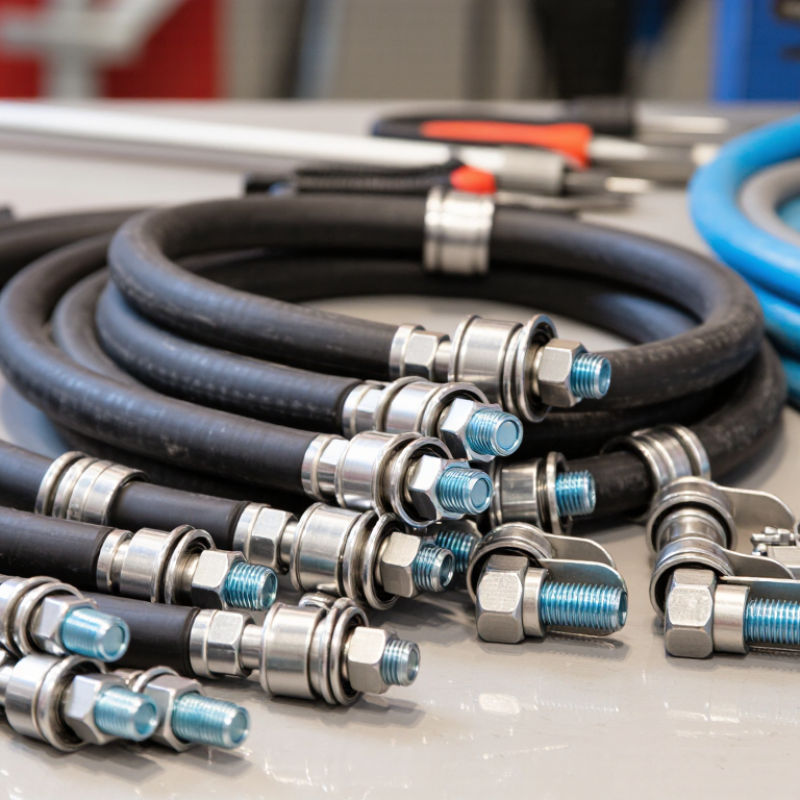
2026 Best High Pressure Hose Clamps for Global Buyers

What Makes a High Pressure Hose Clamp Suitable for Global Buyers

What Makes a High Pressure Hose Clamp Suitable for Global Buyers

A suitable high pressure hose clamp begins with verified pressure performance, not appearance. Buyers should match the clamp’s working pressure, burst pressure, hose construction, and temperature range. ISO 18752 classifies hydraulic hoses by pressure, application, and temperature requirements. The clamp must not weaken the hose reinforcement. In some assemblies, a certified crimped coupling is safer than a mechanical clamp. That distinction is often missed.

Material choice also matters across global supply chains. Stainless steel resists moisture, salt spray, and many industrial environments, while coated carbon steel can reduce cost. The 2024 Grand View Research industrial hose market report valued the market at approximately USD 14 billion in 2023, showing the scale of international demand. That scale increases the need for consistent specifications and traceable testing. EN 13411 and ISO 9001-based quality systems can support documented production control, but certification alone does not guarantee field suitability.

Look for clear markings.

A reliable supplier should provide torque ranges, pressure-test records, material certificates, and batch traceability. Packaging should prevent thread damage and corrosion during long ocean shipments. Field experience also suggests checking hose outer diameter after temperature cycling, because rubber can expand or shrink. This is a practical weakness in many purchasing specifications. A clamp that passes a workshop test may still fail after vibration, heat, and repeated pressure pulses. Buyers should review those conditions before approval.

2026 Best High Pressure Hose Clamps for Global Buyers

Pressure-reference bands help global buyers compare hose-clamp requirements across bar and psi systems. The values below use the exact conversion factor 1 bar = 14.5038 psi and are intended for engineering screening, not as product ratings.

A high-pressure hose clamp should be selected only after confirming the hose working pressure, clamp material, band width, bolt or fastening system, temperature range, corrosion environment, and applicable international requirements. Always verify the complete hose-and-clamp assembly with documented test data.

Key Materials and Designs Used in High Pressure Hose Clamps

2026 Best High Pressure Hose Clamps for Global Buyers

Key Materials and Designs Used in High Pressure Hose Clamps

Material selection controls how a high pressure hose clamp performs under heat, vibration, and moisture. Stainless steel is a dependable choice for demanding service. Grade 304 handles general industrial environments well. Grade 316 offers stronger corrosion resistance near saltwater, chemicals, and humid processing areas. It costs more, though.

Carbon steel clamps can provide high strength at a lower price. Zinc plating improves surface protection, but scratches may expose the base metal. For outdoor systems, that weakness deserves attention. I have seen rust begin around bolt threads before the band showed visible damage.

Design matters as much as metal. T-bolt clamps spread force across a wide band and suit thick-wall hoses. Constant-tension designs use springs to handle thermal expansion and contraction. They work well on engines, pumps, and equipment with repeated temperature changes. Worm-drive clamps offer flexible adjustment, but cheap perforations can damage soft hose surfaces.

Do not judge pressure capacity from appearance. The hose, fitting, clamp width, bolt strength, and installation torque must work together. A clamp that feels tight may still leak under pulsation. Use a calibrated torque tool when specifications are available. Check for band distortion, thread damage, and hose cuts during service. No clamp is perfect. Even corrosion-resistant steel can fail when poorly installed or mismatched with the hose.

How to Select the Right Clamp for Hose Size and Pressure Rating

For high-pressure hose systems, clamp selection begins with accurate hose measurement. Measure the actual outside diameter after fitting the hose over its connection. Do not rely only on the printed hose size. A nominal 25-millimeter hose may vary between manufacturers. Check it twice. Choose a clamp with an adjustment range that holds the hose firmly without cutting into its cover.

Pressure rating requires more than reading one number. Confirm the clamp’s rated working pressure, hose pressure, fitting design, and operating temperature. The lowest-rated component controls the assembly. Vibration, pulsation, and repeated pressure changes also affect performance. Engineers should review technical data and apply an appropriate safety margin. A clamp that survives a static test may still loosen during daily cycling.

Material choice matters in humid, salty, or chemically exposed locations. Stainless construction usually offers better corrosion resistance, while coated steel may suit controlled environments. Match the clamp width and band profile to the hose structure. Narrow bands can damage soft covers. Wide bands distribute force more evenly. During installation, tighten gradually and evenly, then inspect for bulging, cuts, or hose movement. Recheck the connection after initial operation. A clamp can look secure and still be wrong. In practice, installation errors are often harder to detect than poor hardware. Metric and inch measurements should be confirmed before international purchasing, because small size differences can create serious fit problems.

Global Standards, Testing, and Quality Requirements to Check

For global buyers, a high-pressure hose clamp must be judged against the complete assembly, not appearance alone. Requirements vary by industry, pressure rating, hose material, and installation method. Ask for material grade, dimensional tolerances, pressure range, and traceability records. Do not accept vague claims such as “industrial quality.” Numbers matter.

A reliable supplier should provide test evidence linked to a batch number. Check torque testing, axial pull testing, pressure cycling, vibration resistance, and leak performance. For metal clamps, inspect corrosion results, weld quality, edge finish, and thread condition. Testing should use calibrated equipment, recorded procedures, and clear acceptance limits. For hose assemblies, compare pressure tests with applicable ISO, EN, or ASTM methods. A hose rating does not automatically validate the clamp. Independent laboratory reports add confidence, but they must match the exact design. Compare samples before and after repeated tightening. Small deformation can signal poor recovery under service loads.

Global conformity documents deserve careful reading. A certificate alone does not prove field reliability. Review the supplier’s ISO 9001-based quality system, inspection plan, and change-control process. Confirm that reports cover the ordered size, coating, and material. Packaging matters too; exposed threads and mixed batches create avoidable failures. Keep photographs, lot codes, inspection results, and installation torque records. No checklist is perfect. Real service conditions can reveal weaknesses that laboratory tests miss. That gap deserves honest discussion before approval.

Installation, Maintenance, and Sourcing Tips for International Buyers

Choosing high pressure hose clamps for international projects requires more than checking diameter. Confirm the hose’s outer diameter under working conditions, not just its catalog size. Measure several points with a caliper. Heat, pressure, and fluid exposure can change the fit.

During installation, clean the hose surface and seat the clamp behind the hose barb. Tighten gradually and evenly. Do not crush the hose. A torque-controlled tool gives more consistent results than hand judgment.

Leave room for inspection. After pressurizing the line, check for movement, seepage, or distorted hose walls.

Small details matter.

Maintenance teams should inspect clamps after thermal cycles, vibration, and seasonal storage. Look for corrosion, thread damage, and a relaxed band. Replace any clamp that shows permanent deformation. Retightening is not always the right answer. I have seen over-tightening create hidden hose damage, which appeared only weeks later.

For international sourcing, provide suppliers with pressure ratings, temperature ranges, hose materials, dimensions, quantities, packaging needs, and destination details. Request material certificates, dimensional drawings, inspection records, and sample approval before bulk production. Compare equivalent specifications, not only unit prices. Confirm export documents and local installation requirements with qualified professionals. Specifications can be misunderstood across languages. A clear drawing prevents expensive surprises. Even experienced buyers miss packaging limits or incompatible stainless grades, so keep a written verification checklist.

FAQS

Which material suits high-pressure hose clamps in humid environments?

Stainless steel generally resists moisture well. Grade 316 suits saltwater, chemicals, and humid processing areas better. Grade 304 costs less for ordinary industrial conditions. Even corrosion-resistant steel can fail when installation is poor.

Are carbon steel clamps suitable for outdoor systems?

They can provide strong clamping at a lower price. Zinc plating adds surface protection, but scratches may expose the base metal. Inspect bolt threads and band edges for early rust. Outdoor exposure needs closer maintenance.

Which clamp design works with thick-wall hoses?

T-bolt designs spread force across a wide band. They suit thick-wall hoses and demanding assemblies. Constant-tension designs use springs during temperature changes. Worm-drive designs allow flexible adjustment but may damage soft hose surfaces.

How should pressure capacity be evaluated?

Do not judge capacity from appearance. The hose, fitting, clamp width, bolt strength, and torque must match. A tight-feeling clamp may still leak under pulsation. The complete assembly matters.

What supplier documents should international buyers request?

Request material grades, dimensions, pressure ranges, and batch traceability records. Ask for torque, pull, pressure-cycle, vibration, and leakage test results. Reports should identify equipment, procedures, acceptance limits, and batch numbers. Vague claims are not enough.

Does a certificate guarantee reliable field performance?

No certificate proves every field condition. Check whether documents match the ordered size, coating, and material. Review inspection plans, change controls, and quality records. Laboratory results can miss vibration, storage, or installation problems.

How should a high-pressure hose clamp be installed?

Measure the hose outside diameter at several points. Use its working size, not only the catalog dimension. Clean the hose and position the clamp behind the barb. Tighten gradually with a torque-controlled tool. Do not crush the hose.

When should a hose clamp be inspected or replaced?

Inspect it after thermal cycles, vibration, and seasonal storage. Look for corrosion, thread damage, relaxed bands, and hose cuts. Replace clamps showing permanent deformation. Retightening is not always safer. Over-tightening can create hidden damage.

Conclusion

Choosing the right High Pressure Hose Clamps is essential for global buyers who need reliable sealing, long service life, and consistent performance across demanding applications. This guide explains how material selection, clamp design, corrosion resistance, and pressure capability affect overall suitability. It also outlines how to match clamp dimensions with hose size, wall thickness, operating pressure, temperature, and fluid conditions to reduce leakage and premature failure.

For international purchasing, buyers should review applicable standards, inspection procedures, traceability, and test documentation before placing orders. Proper installation is equally important: the clamp should be positioned correctly, tightened evenly, and checked for distortion or hose damage. Regular maintenance inspections can identify loosening, corrosion, and wear at an early stage. The article also provides practical sourcing advice, including clear technical specifications, quality verification, packaging requirements, and communication with suppliers to ensure dependable delivery and consistent product performance in different markets.

Liam

Liam

Liam is a dedicated marketing professional with a profound expertise in the industry, where he excels at highlighting the unique advantages of our core products. With a keen understanding of market trends and consumer needs, Liam frequently updates our company’s professional blog, providing......